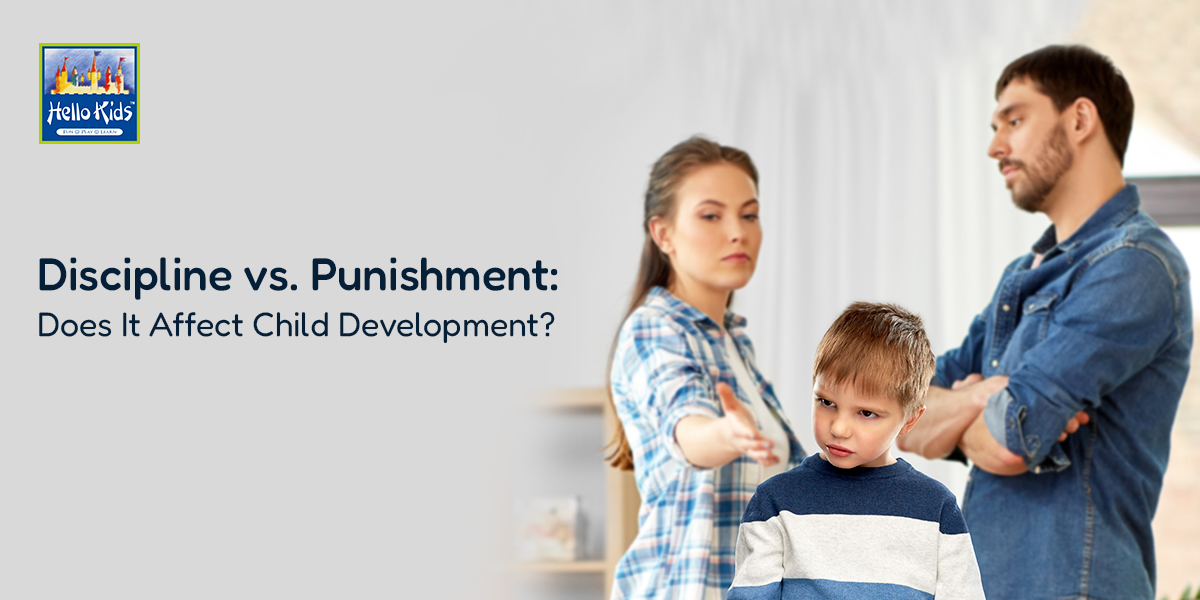
Discipline vs. Punishment: Does It Affect Child Development?
Raising a child isn’t always smooth sailing. Every parent, teacher, or caregiver faces those tricky moments when a child misbehaves or breaks a rule. What matters most is how we respond. Do we correct the child with love and guidance, or react with anger and control?
While discipline and punishment may seem similar, they have very different effects on a child’s emotional and mental development. In this article, let’s explore what truly helps children become responsible, kind, and confident individuals: discipline or punishment?
What is Discipline?
Discipline means teaching, not hurting. It’s a positive way to help children understand what’s right and what’s wrong—and why. The goal is to guide them, not scare or shame them.
Key elements of discipline:
Calmly explaining why a behavior is wrong
Setting clear, consistent, and fair rules
Encouraging children to solve problems
Allowing them to fix their mistakes (like cleaning up their mess)
Discipline helps children learn from their actions. They feel safe, respected, and supported. It builds a strong foundation for long-term learning and emotional growth.
Punishment is about control and fear. It focuses on stopping bad behavior immediately, often through pain, guilt, or embarrassment—without explaining the reason behind it.
Common types of punishment include:
Hitting or spanking
Yelling, scolding, or shaming
Taking away toys or privileges without a clear reason
Making children feel bad or scared
Punishment might work in the moment, but it doesn’t help the child understand their actions. Instead, it can cause fear, anger, and even lead to lying or hiding mistakes.
A child’s early years are key to building their identity, emotions, and habits. The way we respond to their behavior shapes how they grow up and see the world.
1. Emotional Development
Discipline helps children manage emotions like anger or sadness and gives them healthy ways to express themselves.
Punishment may lead to anxiety, low self-esteem, or emotional withdrawal. Children may feel unloved or “bad,” even when they don’t understand what they did wrong.
2. Behavioral Growth
Discipline encourages better behavior over time. Children learn from mistakes and feel safe discussing them.
Children will make mistakes. That’s part of growing up. But what matters most is how we respond to those moments. By choosing discipline, you’re not just correcting behavior; you’re teaching life skills, building emotional strength, and nurturing a strong bond of trust.
Hello Kids – India’s Most Trusted Preschool brand. With 1050+ branches across the country, Hello Kids is shaping the future of young learners by making quality early education affordable and accessible. Hello Kids has become the first choice for parents in top cities like Bangalore, Hyderabad, Pune, Chennai, Kolkata, Delhi, and Mumbai.
Why Choose Hello Kids?
Safe, joyful, and nurturing environment
Research-based, child-friendly curriculum
Activities for social, emotional & cognitive growth
No-royalty franchise model
At Hello Kids, children learn with confidence, curiosity, and joy.
Admissions Open – Enroll Your Child Today
Parents across India choose Hello Kids for world-class preschool education that is fun, meaningful, and affordable. Visit your nearest branch and give your child the bright start they deserve.
Dream of running a preschool? With Hello Kids’ no-royalty model, low investment, and complete support in training, marketing, and operations, you can build a profitable preschool business in your city.